Does the LCD display stay on throughout the night?
If you're concerned by the brightness of your purifying fan heater's LCD display, consider enabling Night-time mode using your remote control or the MyDyson™ app. During operation, a small moon icon indicates that your purifier is on, but the main display turns off after 10 seconds to help avoid sleep disturbance.]
How do I know when my purifying fan heater is in auto mode?
If auto mode is enabled, AUTO will be illuminated on your purifying fan's LCD display. When your machine is purifying the air, AUTO will be in white. When the air in the room is purified, it will turn green and your purifying fan heater will remain idle until pollutant levels rise.
How long should my purifying fan be turned on for?
Your purifying fan's auto mode is designed to manage the air quality in your home without you having to operate the machine – so it's only on when it needs to be. If you or someone in your home suffer from allergies or respiratory illnesses, we particularly recommend using your machine's auto mode.
How often should I replace my filter?
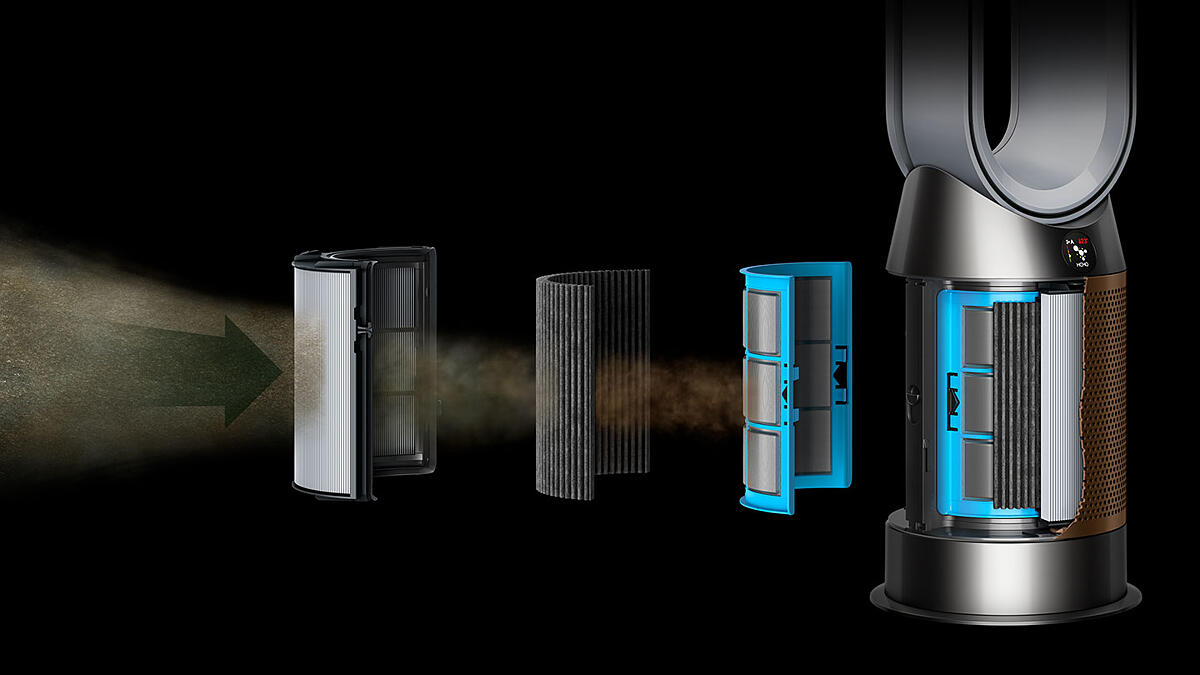
We recommend replacing the HEPA+Carbon filter every 12 months. That's because over time, filters can get clogged with pollutants, and even let unpleasant odours back into the room. The machine will alert you when it’s time to change filters. A filter life reading can be found on the LCD screen and via the MyDyson™ app. The catalytic filter never needs replacing.]
Should I change the fan settings in different seasons?
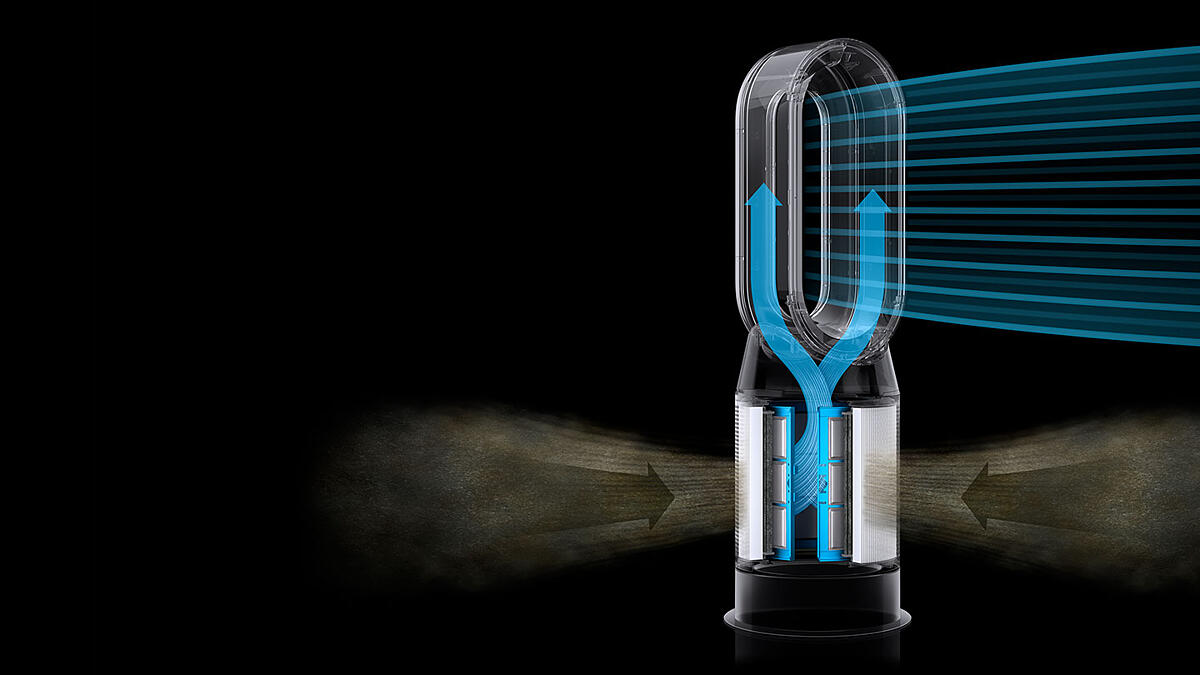
Increasing airflow will create a cooling effect using purified air, so you may find it beneficial to change your purifying fan heater's speed settings as the temperature changes. For personal cooling in summer, use settings 4-10. In colder periods, enable diffused mode. It projects air through the back of the machine, to avoid unwanted cooling.
Should I keep my windows open or closed?
Your purifying fan heater works most efficiently in a sealed environment – opening the windows can allow more pollutants to enter the air in your home, which means your machine will take longer to work.
Where should I place my purifying fan heater?
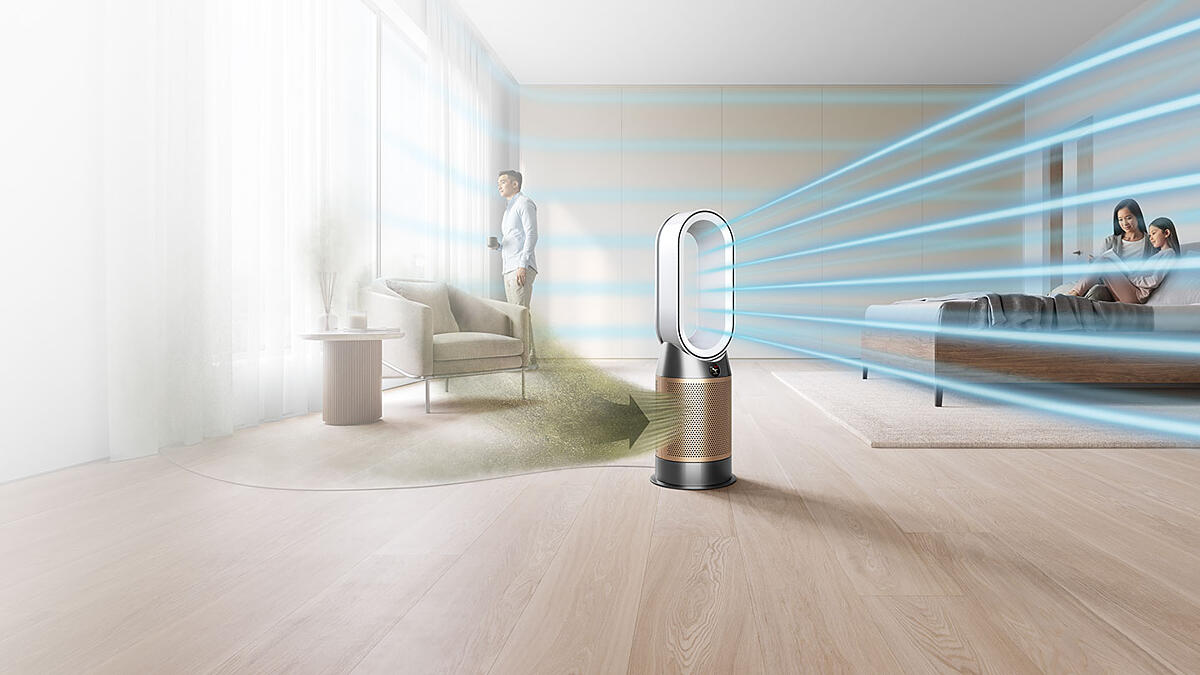
Your purifying fan heater is engineered to purify single rooms, so you should use it where you spend the majority of your time at home. When placing the machine, make sure there is at least a few feet of clearance on all sides so that the air can circulate effectively.
What is new about the Dyson Purifier range and how is it different to other purifiers?
Dyson engineers are perfectionists. Channelling our relentless dissatisfaction, we have re-engineered the Dyson Purifier range to be our first purifiers fully sealed to HEPA H13 standard. Capturing 99.95% of ultrafine particles and preventing pollutants from leaking back into the air you breathe.
What is different about the Dyson Purifier Formaldehyde range?
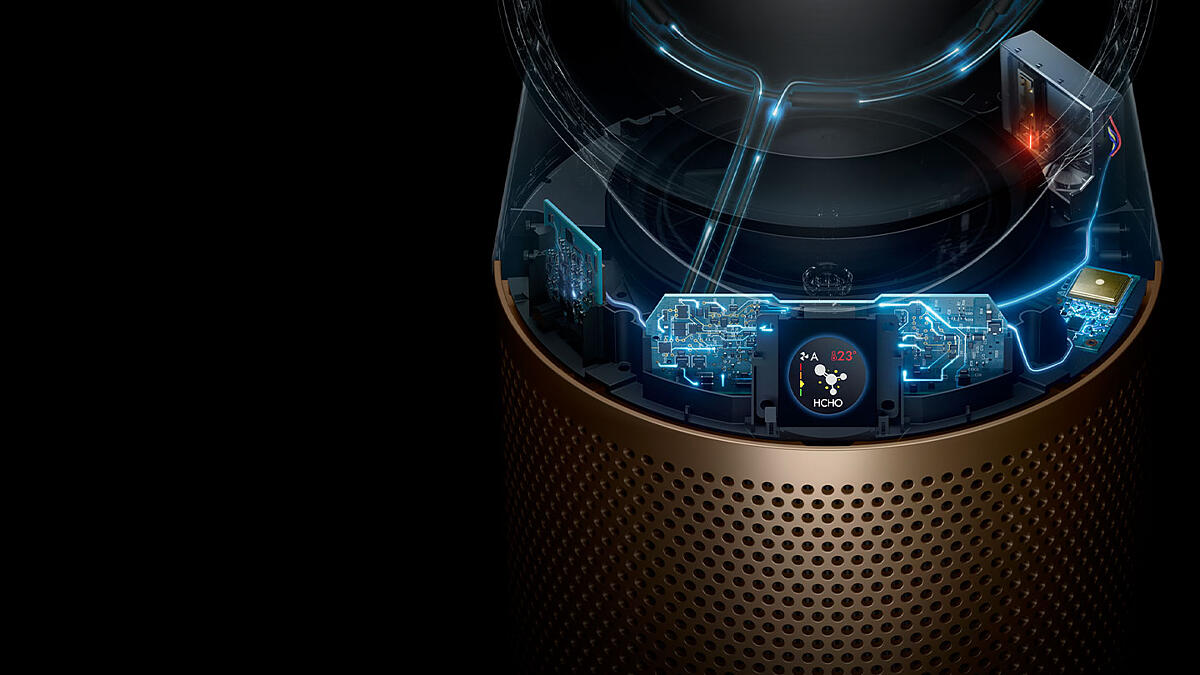
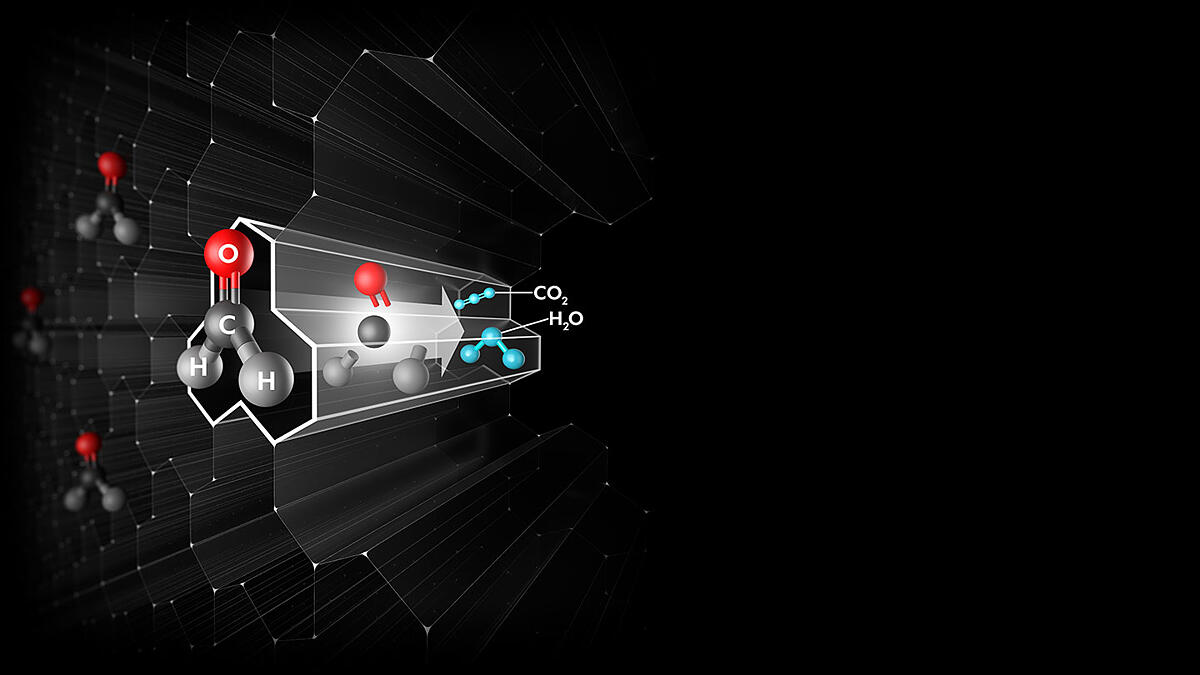
The Dyson Purifier Cool Formaldehyde has all of the capabilities found in our advanced purification products but goes a step further to detect and destroy formaldehyde. An added solid state-sensor precisely detects formaldehyde, while our catalytic filter breaks it down into two safer molecules – carbon dioxide and water.
What is formaldehyde and what are common sources of it?
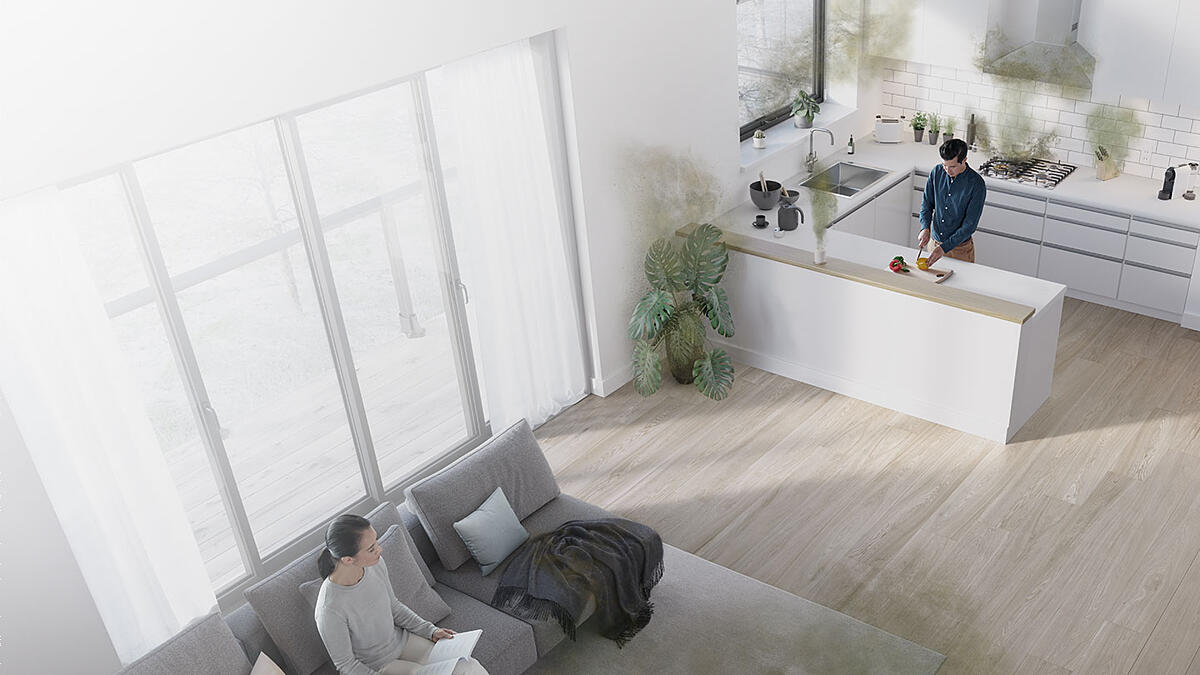
Formaldehyde is a polluting gas formed of carbon, hydrogen and oxygen that is commonly found in homes. Common sources of formaldehyde in your home could be: paint and varnishes, air fresheners, mattresses, furniture, household cleaners, carpets, particleboard and plywood, electronics, dryer sheets, nail polish remover, moth balls, toys, fireplaces and wood burning stoves.








 Originally posted on DYSON